
In the world of fashion, the biggest nightmare isn’t a bad sample—it’s a bad bulk order.
I’ve seen it happen to many brands: the prototype is perfect, but when the 1,000-piece shipment arrives, the colors vary, the sizes are inconsistent, and the quality is "hit or miss." At Bless Custom Apparel, we know that consistency is the bridge between a one-time customer and a lifelong fan.
Manufacturing 5,000 units that look exactly like the first one isn't luck; it’s a rigorous system of controls. Here is how we ensure "The 5,000th piece is as perfect as the 1st."
Table of Contents
- Quick Answer: The Secret to Consistency
- The "Control Sample" Strategy
- Managing Color Consistency (Dye Lot Control)
- Digital Pattern Grading & Laser Cutting
- Comparison: Consistency in Manual vs. Automated Factories
- The "Golden Rules" for Brand Owners
- FAQs: Troubleshooting Bulk Variance
- Scale Your Brand with Absolute Consistency
Quick Answer
Factories ensure consistency through Standardized Operating Procedures (SOPs), Digital Pattern Calibration, and Batch Testing. The most critical tools are the Master Sample (the physical benchmark) and Lab Dips (color benchmarks). By locking these variables before production starts, we eliminate human error and ensure that every garment in a 10,000-unit run meets the exact same specifications.
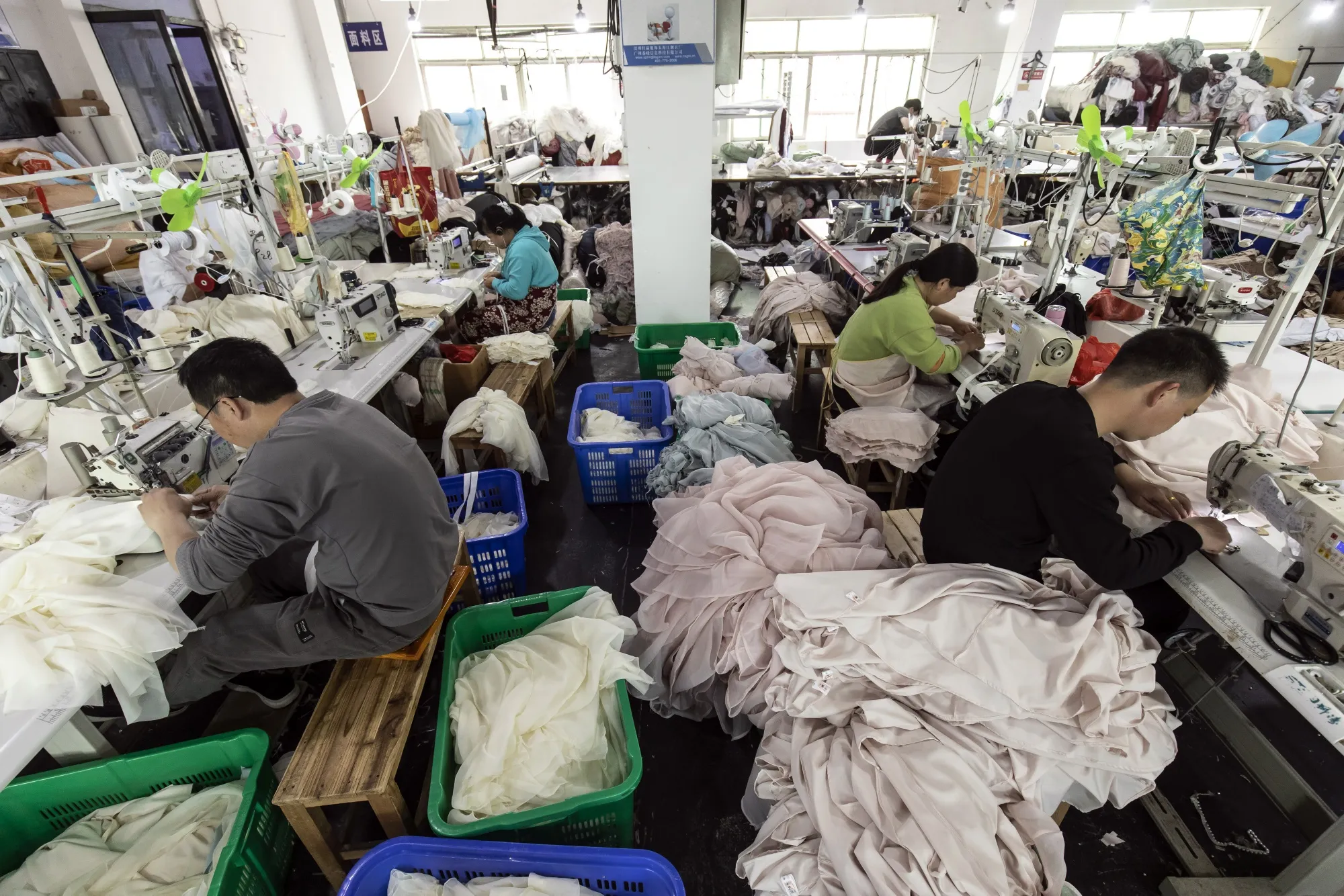
The "Control Sample" Strategy
The foundation of consistency is the Master Sample, also known as the "Sealed Sample."
- The Lock-In: Once you approve a sample, we "seal" it. This physical garment is kept in a climate-controlled room and used as the only reference point for the entire production line.
- The Counter-Sample: We often produce a "Counter-Sample" using the bulk fabric. This ensures that the transition from small-scale prototyping to large-scale manufacturing doesn't change the garment's integrity.
- Internal Link: At Bless Clothing, we provide our clients with detailed QC reports comparing bulk units directly against their sealed master.
Managing Color Consistency (Dye Lot Control)
Color is the most difficult variable to control. A 1% change in water temperature or chemical concentration can shift a "Navy Blue" to a "Dark Purple."
- Lab Dips: We create 3-4 small swatches of dyed fabric for your approval.
- Spectrophotometer Testing: We don't just use the human eye; we use Digital Color Measurement to ensure the bulk fabric matches the approved Lab Dip within a strict tolerance (Delta E < 1.0).
- One-Batch Dyeing: For maximum consistency, we ensure all fabric for a single order is dyed in the same "Vat" or "Lot."
Digital Pattern Grading & Laser Cutting
Human hands are amazing for sewing, but they are inconsistent for cutting.
- CAD Pattern Grading: We use Computer-Aided Design (CAD) to scale your sizes. This ensures the ratio between a Small and an XL is mathematically perfect every time.
- Automated Cutting: By using CNC laser or blade cutters, we can cut 100 layers of fabric with a precision of 0.1mm. This eliminates the "size drift" that happens when manual cutters get tired.
Comparison: Consistency in Manual vs. Automated Factories
| Feature | Low-Tech / Manual Factory | Bless Clothing (Standardized) |
|---|---|---|
| Sizing | Hand-cut (up to 2cm variance) | CAD/CNC Cut (+/- 0.5cm tolerance) |
| Color | Visual "Eye" matching | Spectrophotometer lab testing |
| Sewing | Random operators | Modular line with specialized machines |
| Outcome | Every batch feels slightly different | High "Repeatability" and brand trust |
The "Golden Rules" for Brand Owners
If you want a smooth, consistent run, follow these three rules:
- Don't Change Specs Mid-Stream: Even a small change to a thread color after production starts can cause a "split" in the look of your bulk order.
- Order Sufficient Fabric: If you under-order fabric and need a "Top-up" later, the new fabric will likely come from a different dye lot and won't match perfectly.
- Approve a "Pre-Shipment" Sample: Always ask for a random unit from the finished bulk to be sent to you before the whole container ships.
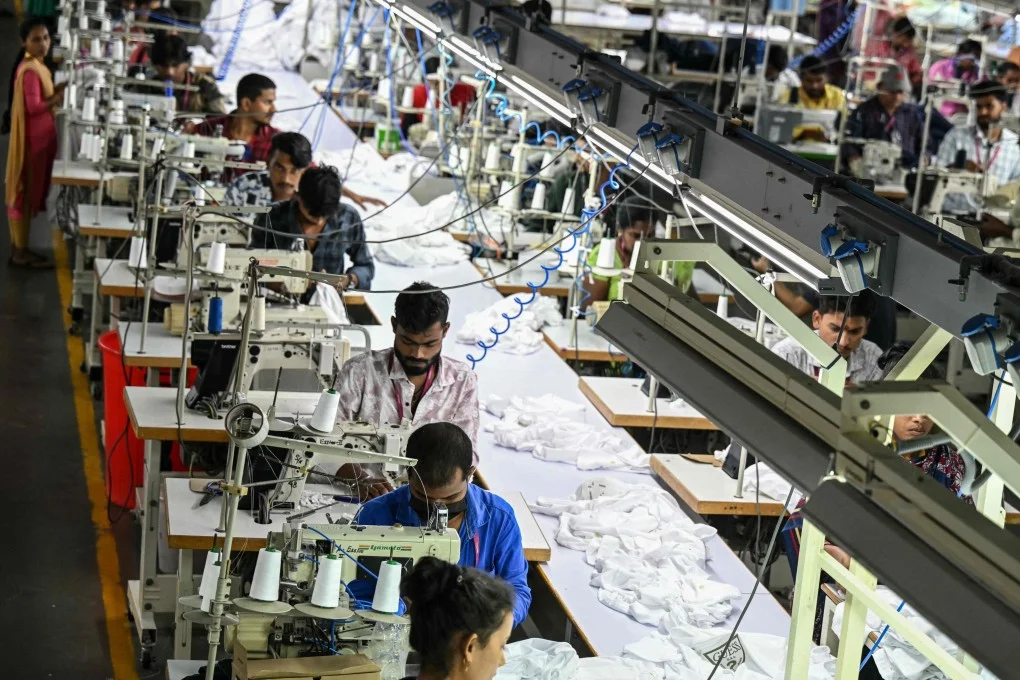
FAQs: Troubleshooting Bulk Variance
Q: Why do my Mediums feel smaller than the last order?
A: This is often due to "Fabric Relaxation." Different rolls of fabric have different tensions. Professional factories like Bless Custom Apparel "relax" the fabric for 24-48 hours before cutting to prevent this.
Q: Is 100% perfection possible in bulk?
A: In textiles, there is always a tiny margin of human variance. However, industry leaders aim for a 98% consistency rate, where the differences are invisible to the naked eye of the consumer.
Q: How do you handle different machines?
A: We use Machine Calibration. Every machine on the line is set to the same stitch-per-inch (SPI) and tension settings before the shift begins.
Scale Your Brand with Absolute Consistency
Your customers expect the same quality every time they click "Buy." At Bless Clothing, we’ve invested in the technology and the training to make sure they get it. We don't just make clothes; we replicate perfection at scale.
Tired of inconsistent quality from your current supplier?
Partner with Bless Clothing today. Let’s discuss how our standardized production protocols can protect your brand and delight your customers, order after order.