
Table of Contents
- Quick Answer
- What Is an OEM Clothing Manufacturer?
- Why Brands Use OEM Manufacturing
- How Bless Clothing Works as an OEM Manufacturer
- Step-by-Step OEM Production Process
- What You Can Customize in OEM Production
- How We Ensure OEM Production Quality
- Bless Clothing vs Other OEM Manufacturers
- Who OEM Manufacturing Is Best For
- FAQs
- Conclusion
Quick Answer
Bless Clothing works as an OEM clothing manufacturer by producing garments based on your designs and specifications, with low MOQ, structured production workflows, and consistent quality control.
From my experience, OEM manufacturing is one of the most efficient ways to turn ideas into scalable products.
What Is an OEM Clothing Manufacturer?
OEM stands for Original Equipment Manufacturer.
In apparel, this means:
- You provide the design
- The manufacturer produces the garments
- Products are delivered under your brand

OEM focuses on execution, not selling pre-made products.
Why Brands Use OEM Manufacturing
From what I’ve seen, brands choose OEM because it allows them to:
- Maintain full control over product design
- Build unique brand identity
- Scale production efficiently
- Avoid managing their own factory
OEM is ideal for brands that want control without complexity.
How Bless Clothing Works as an OEM Manufacturer
Bless Clothing operates as a flexible OEM partner for modern apparel brands.
We are designed to support:
- Small-batch production
- Custom apparel development
- Gradual scaling
Unlike traditional OEM factories, we combine:
- Low MOQ (~100 pcs)
- Customization flexibility
- Structured production systems
Step-by-Step OEM Production Process
Step 1: Design & Requirement Confirmation
You provide:
- Tech pack or reference
- Fabric requirements
- Measurements and details
Step 2: Sample Development
We create a sample to test:
- Fit
- Fabric
- Construction
Step 3: Review & Approval
You approve or revise:
- Sizing
- Materials
- Branding details
Step 4: Bulk Production
Once approved:
- Fabric cutting
- Sewing
- Printing/embroidery
Step 5: Quality Control
We inspect:
- Measurements
- Stitching
- Logo accuracy
Step 6: Packaging & Delivery
Products are:
- Packed with branding
- Shipped globally
What You Can Customize in OEM Production
OEM production allows extensive customization:
Product-Level Customization
| Area | Options |
|---|---|
| Fabric | Cotton, blends, performance fabrics |
| Fit | Oversized, regular, tailored |
| Color | Custom dyeing |
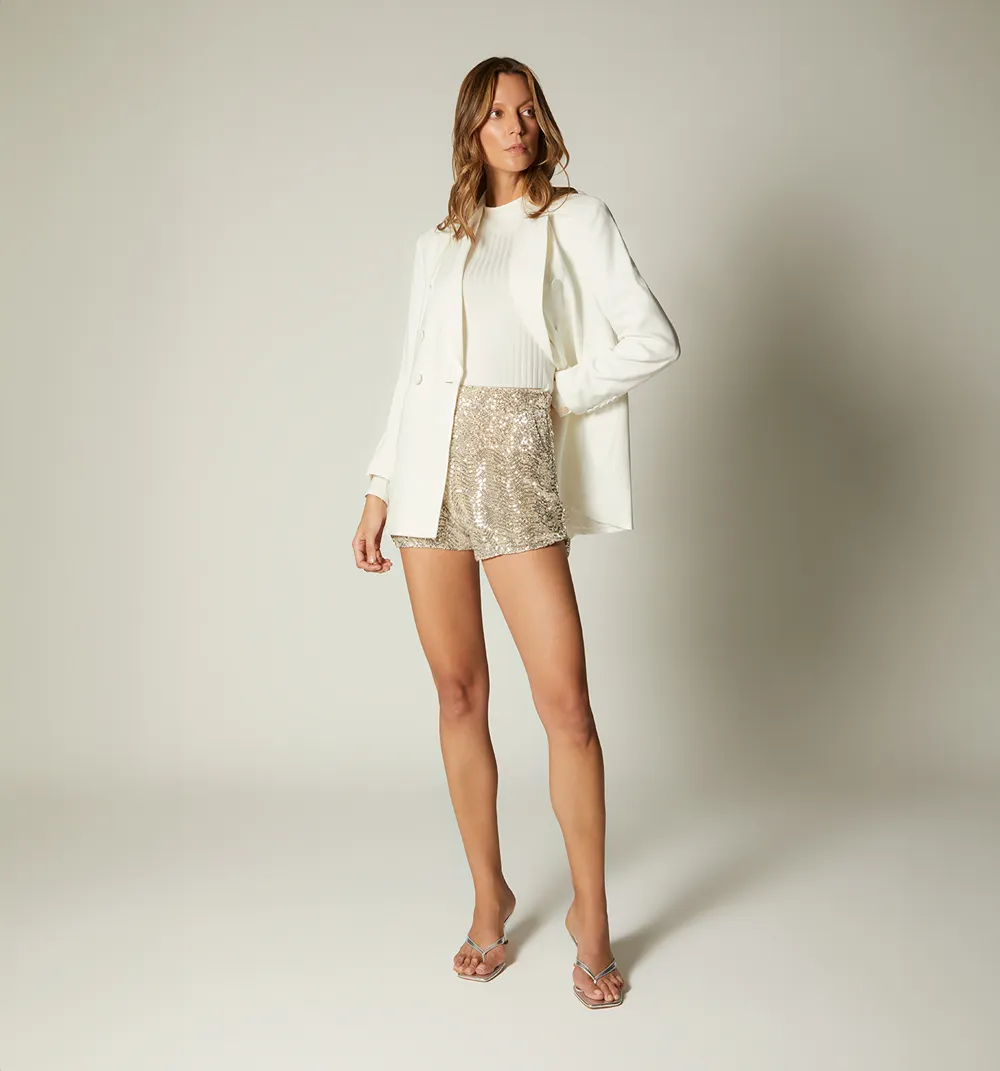
| Graphics | Printing, embroidery, washing |
Branding Customization
- Labels (woven/printed)
- Hangtags
- Packaging
- Custom trims
From my experience, these details define your product identity.
How We Ensure OEM Production Quality
Quality is critical in OEM manufacturing.
We ensure consistency through:
Sample-Based Standards
All production follows approved samples.
Multi-Stage Quality Control
- Pre-production checks
- In-line inspection
- Final inspection
Process Standardization
Each step follows defined procedures.
Communication Alignment
Clear communication reduces errors.
Bless Clothing vs Other OEM Manufacturers
| Feature | Bless Clothing | Traditional OEM Factories |
|---|---|---|
| MOQ | Low (~100 pcs) | High (500–2000+) |
| Flexibility | High | Low |
| Customization | High | Medium |
| Communication | Direct | Layered |
| Speed | Fast | Moderate |
From my perspective, Bless Clothing is better suited for modern, fast-moving brands.
Who OEM Manufacturing Is Best For
Best Fit
- Startup clothing brands
- Private label businesses
- DTC brands
- Brands with clear design direction
Not Ideal For
- Ultra-low-cost bulk sourcing
- Extremely high-volume production
FAQs
What is OEM clothing manufacturing?
Production based on your designs and specifications.
What is your MOQ?
Typically around 100 pieces per design.
Can I customize everything?
Yes — fabric, fit, branding, and packaging.
How fast is production?
- Samples: 5–7 days
- Bulk: 20–35 days
Is OEM suitable for startups?
Yes — especially with low MOQ production.
Conclusion
OEM manufacturing is about turning your ideas into real products.
Bless Clothing provides a flexible and controlled OEM system designed for modern brands.
From my experience, the key to success is not just having a design —
it’s having a manufacturing partner that can execute it consistently.
And that’s exactly what this system is built to do.