
Table of Contents
- Quick Answer
- Why Fabric Quality Matters in Apparel Production
- Common Fabric Quality Problems in Manufacturing
- Our Approach to Fabric Quality Control
- Step-by-Step: How We Ensure Fabric Consistency
- Key Fabric Quality Standards We Follow
- How We Maintain Consistency Across Bulk Orders
- Why Fabric Control Impacts Your Brand
- Who This System Is Best For
- FAQs
- Conclusion
Quick Answer
Bless Clothing ensures fabric quality and consistency through controlled sourcing, pre-production inspection, batch verification, and continuous monitoring during production.
From my experience, fabric quality is the foundation of every garment —
if fabric fails, everything else fails.
Why Fabric Quality Matters in Apparel Production
Fabric determines:
- Comfort
- Durability
- Fit performance
- Overall product perception
Even with perfect design and sewing, poor fabric will result in:
- Shrinkage issues
- Color fading
- Inconsistent fit
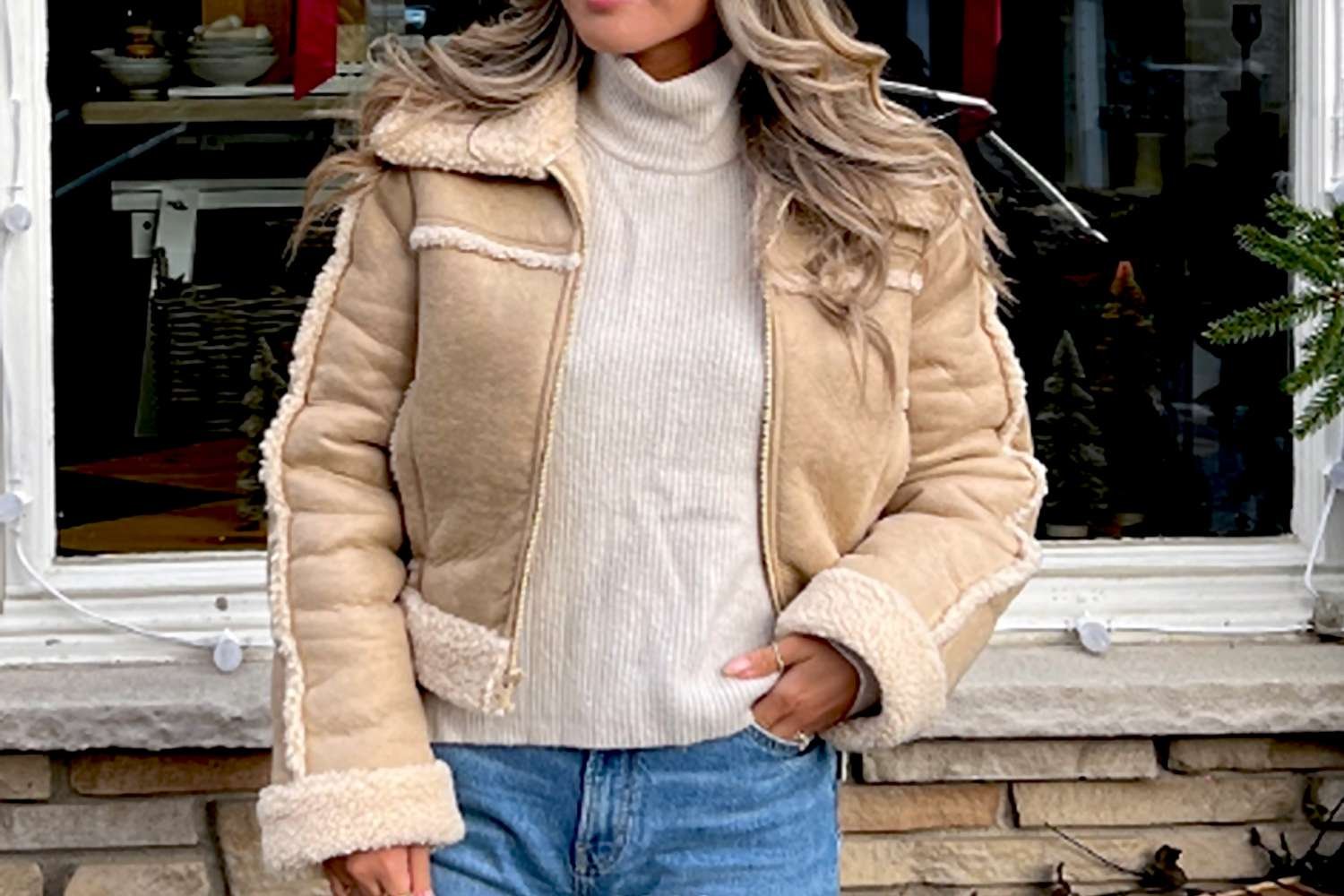
In apparel manufacturing, fabric quality is not optional — it is critical.
Common Fabric Quality Problems in Manufacturing
From what I’ve seen, the most common issues include:
Color Inconsistency
Different batches may not match perfectly.
Fabric Weight Variation (GSM)
Inconsistent thickness affects fit and feel.
Shrinkage & Deformation
Fabric behaves differently after washing.
Texture Differences
Fabric feel varies between batches.
Dye Lot Issues
Small color differences become noticeable in bulk production.
Our Approach to Fabric Quality Control
At Bless Clothing, we treat fabric control as a core part of production — not an afterthought.
We focus on:
- Preventing variation before production
- Standardizing material selection
- Monitoring consistency throughout
From my experience, proactive control is the only way to maintain fabric consistency.

Step-by-Step: How We Ensure Fabric Consistency
Step 1: Fabric Selection & Sourcing
We choose materials based on:
- Product requirements
- Performance expectations
- Supplier reliability
Step 2: Pre-Production Fabric Inspection
Before production, we check:
- Color accuracy
- Fabric defects
- GSM consistency
Step 3: Sample Testing
We test fabric through samples to evaluate:
- Fit behavior
- Stretch and recovery
- Shrinkage after washing
Step 4: Batch Control
We ensure:
- Same dye lot usage
- Consistent fabric sourcing
- Controlled material allocation
Step 5: In-Line Monitoring
During production, we monitor:
- Fabric performance during cutting and sewing
- Consistency across units
Step 6: Final Verification
Before shipment, we verify:
- Fabric consistency across the batch
- Color matching
- Overall quality
Key Fabric Quality Standards We Follow
From my experience, strong standards are essential.
GSM Consistency
Maintaining uniform fabric weight across all pieces.
Color Accuracy
Ensuring consistent dyeing and shade matching.
Shrinkage Control
Testing and minimizing post-wash shrinkage.
Fabric Strength & Durability
Ensuring long-term wear performance.
Surface Quality
Checking for defects, irregularities, or inconsistencies.
How We Maintain Consistency Across Bulk Orders
Maintaining consistency across multiple orders is a major challenge.
We ensure:
Standardized Fabric References
Each order follows previously approved fabric standards.
Supplier Consistency
We work with stable, reliable fabric sources.
Batch Tracking
We track fabric batches to maintain uniformity.
Production Alignment
Every order aligns with previous specifications.
Why Fabric Control Impacts Your Brand
From my experience, customers notice fabric quality immediately.
Good fabric control leads to:
- Better customer satisfaction
- Lower return rates
- Stronger brand reputation
Poor fabric control leads to:
- Negative reviews
- Inconsistent products
- Loss of trust
Who This System Is Best For
Best Fit
- Startup clothing brands
- Private label businesses
- DTC brands
- Brands focused on quality
Not Ideal For
- Ultra-low-cost production strategies
- Extremely high-volume fast fashion
FAQs
How do you ensure fabric consistency?
Through sourcing control, batch management, and multi-stage inspection.
Do you test fabric before production?
Yes — samples are used to evaluate performance.
Can I choose custom fabrics?
Yes — we support various fabric options.
What is your MOQ?
Typically around 100 pieces per design.
Does fabric affect production quality?
Yes — it is the foundation of the final product.
Conclusion
Fabric quality is the foundation of every garment.
Bless Clothing ensures fabric consistency through controlled sourcing, testing, and production monitoring.
From my experience, the difference between an average product and a great one often comes down to one thing:
The quality and consistency of the fabric.
And that’s exactly what this system is built to control.