
Table of Contents
- Quick Answer
- Why the Full Workflow Matters in Apparel Production
- Overview: Fabric to Finished Product
- Step 1: Fabric Selection & Inspection
- Step 2: Pattern Making & Development
- Step 3: Sample Creation & Approval
- Step 4: Pre-Production Preparation
- Step 5: Fabric Cutting
- Step 6: Sewing & Construction
- Step 7: Logo & Branding Application
- Step 8: Quality Control & Inspection
- Step 9: Finishing, Packaging & Delivery
- Why This Workflow Ensures Consistency
- Who This Production System Is Built For
- FAQs
- Conclusion
Quick Answer
Bless Clothing’s workflow covers the complete production process — from fabric sourcing and sampling to bulk production, quality control, and final delivery — ensuring consistent and scalable apparel manufacturing.
From my experience, the strength of a product depends on how well each stage of the workflow is controlled.
Why the Full Workflow Matters in Apparel Production
Many brands focus only on design or final products.
But in reality:
- Weak early stages → production issues
- Poor coordination → inconsistent results
- Missing controls → quality problems
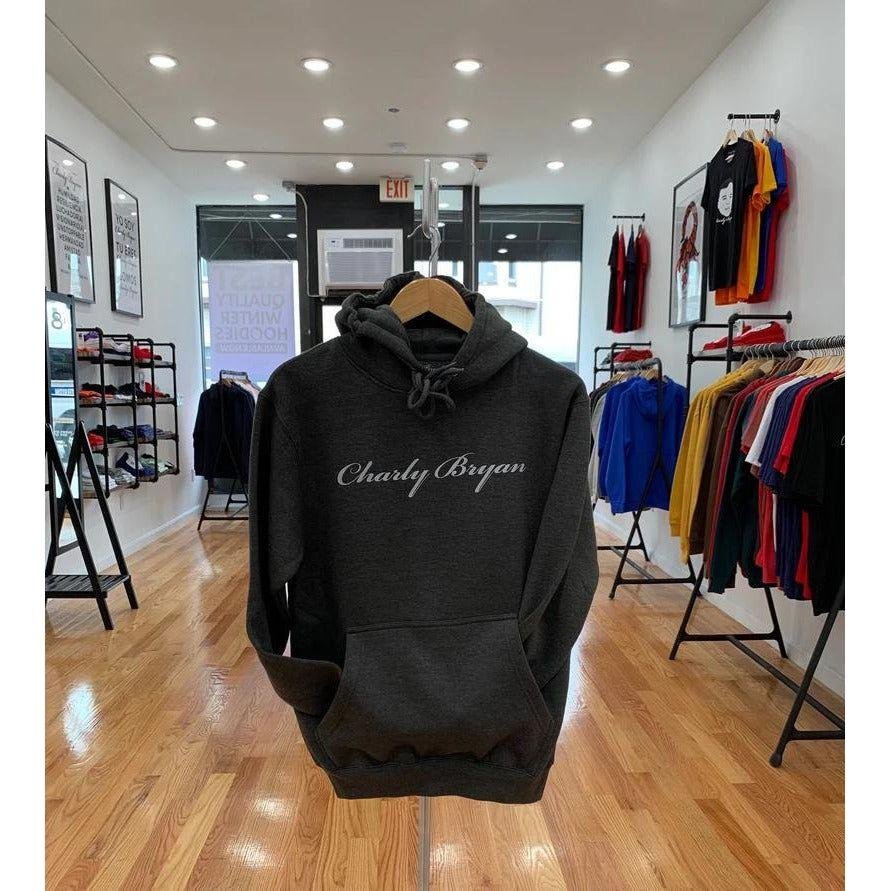
A strong workflow ensures every step supports the next.
Overview: Fabric to Finished Product
At Bless Clothing, the workflow follows a structured system:
- Fabric selection
- Pattern development
- Sampling
- Pre-production preparation
- Cutting
- Sewing
- Branding
- Quality control
- Packaging & delivery
Each step is designed for consistency and efficiency.
Step 1: Fabric Selection & Inspection
We start by selecting materials based on:
- Product requirements
- Performance needs
- Brand positioning
We then inspect:
- Fabric quality
- Color consistency
- GSM accuracy
Step 2: Pattern Making & Development
We create patterns to ensure:
- Accurate sizing
- Proper fit
- Scalability for production
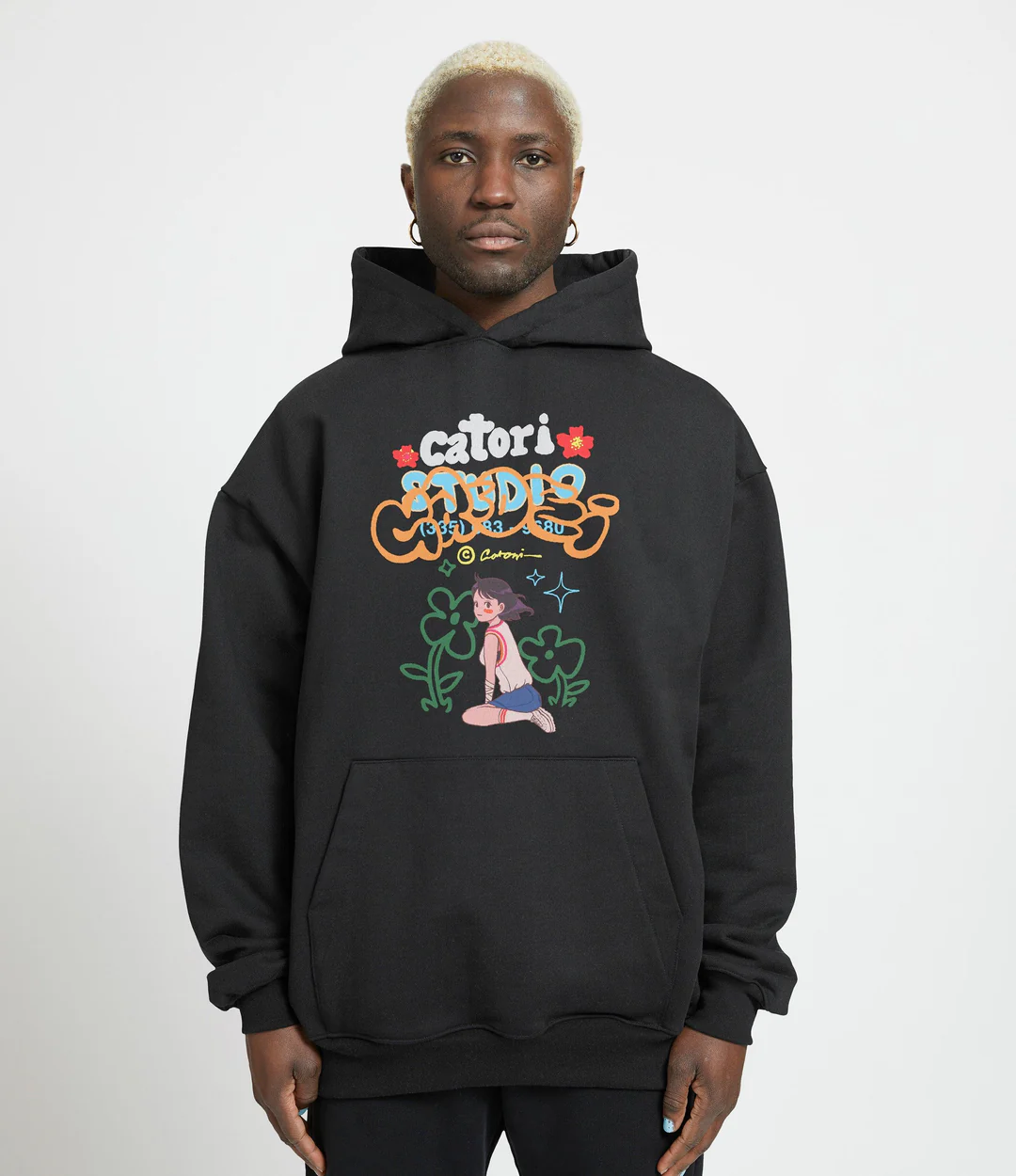
Pattern accuracy directly impacts product consistency.
Step 3: Sample Creation & Approval
We develop a sample to test:
- Fit and proportions
- Fabric behavior
- Branding details
Bulk production only starts after approval.
Step 4: Pre-Production Preparation
We finalize:
- Fabric batches
- Specifications
- Production planning
This step ensures everything is aligned before manufacturing begins.
Step 5: Fabric Cutting
Fabric is cut based on patterns:
- Precision cutting ensures size consistency
- Layout optimization reduces waste
Step 6: Sewing & Construction
Garments are assembled through:
- Panel stitching
- Structural reinforcement
- Controlled construction methods
Each stage follows standardized procedures.
Step 7: Logo & Branding Application
We apply branding through:
- Printing
- Embroidery
- Specialty techniques
Accuracy here defines the final product appearance.
Step 8: Quality Control & Inspection
We conduct:
- In-line inspection during production
- Final inspection before shipment
We check:
- Measurements
- Stitching quality
- Branding accuracy
Step 9: Finishing, Packaging & Delivery
Final steps include:
- Thread trimming and ironing
- Packaging with custom branding
- Global shipping preparation
Why This Workflow Ensures Consistency
From my experience, consistency comes from:
Process Standardization
Each step follows defined procedures.
Sample-Based Production
All bulk production aligns with approved samples.
Multi-Stage Quality Control
Quality is monitored throughout the process.
Clear Communication
Alignment reduces errors and delays.
Who This Production System Is Built For
Best Fit
- Startup clothing brands
- Private label businesses
- DTC brands
- Growing apparel brands
Not Ideal For
- Ultra-low-cost sourcing strategies
- Extremely high-volume production needs
FAQs
What is the full production workflow?
It is the process from fabric sourcing to final product delivery.
Why is sampling important?
It ensures accuracy before bulk production.
How do you ensure consistency?
Through structured processes and quality control.
What is your MOQ?
Typically around 100 pieces per design.
Do you ship globally?
Yes, including US and EU markets.
Conclusion
A garment is not created in one step —
it is built through a complete process.
Bless Clothing’s workflow ensures every stage is controlled, aligned, and optimized.
From my experience, the difference between inconsistent products and reliable production is simple:
A strong workflow from start to finish.
And that’s exactly what this system is designed to deliver.