
Table of Contents
- Quick Answer
- Why People Think Supreme Is Linked to Louis Vuitton
- The Famous Supreme x Louis Vuitton Collaboration
- Who Actually Owns Supreme
- My Industry Perspective on Brand Relationships
- Supreme vs Louis Vuitton: Key Differences
- What This Means for Consumers
- Pros and Cons of Collaborations Like This
- Should You Compare Supreme to Luxury Brands?
- FAQ
- Final Verdict
Quick Answer
No — Supreme is NOT part of Louis Vuitton.
They are completely separate brands.
👉 However, they became closely associated due to a high-profile collaboration, which caused a lot of confusion.
Why People Think Supreme Is Linked to Louis Vuitton
From what I’ve seen, this confusion usually comes from:
- The 2017 collaboration collection
- Similar pricing perception
- Overlapping audience (streetwear + luxury buyers)
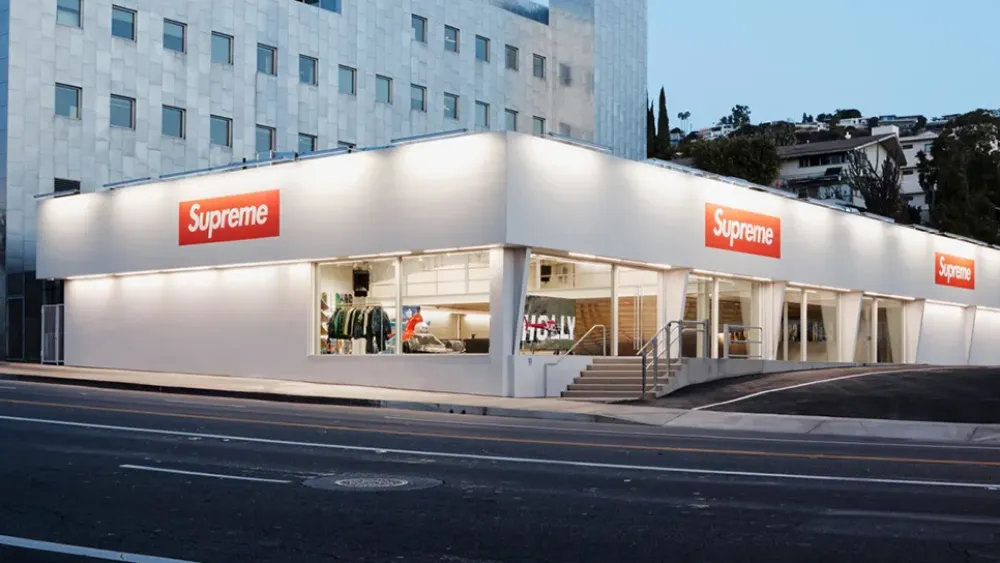
👉 Many people assume collaboration = ownership — but that’s not how it works.
The Famous Supreme x Louis Vuitton Collaboration
In 2017, Supreme collaborated with Louis Vuitton on a limited collection.
What made it special:
- First major luxury + streetwear crossover
- Limited release globally
- Extremely high resale value
👉 This collaboration changed how people view streetwear.
Impact:
- Elevated Supreme’s global status
- Brought streetwear into luxury conversation
- Created long-term brand association
Who Actually Owns Supreme
Supreme is owned by:
- VF Corporation (since 2020)
This company also owns multiple global apparel brands.
👉 So structurally:
- Supreme ≠ Louis Vuitton
- Supreme ≠ LVMH Group
They operate independently.
My Industry Perspective on Brand Relationships
From a manufacturing and brand strategy standpoint:
There are three different concepts people confuse:
| Concept | Meaning |
|---|---|
| Ownership | One company owns another |
| Collaboration | Two brands create products together |
| Positioning | Brands share similar market perception |
👉 Supreme and Louis Vuitton only share:
collaboration + partial positioning overlap
Not ownership.
Supreme vs Louis Vuitton: Key Differences
| Factor | Supreme | Louis Vuitton |
|---|---|---|
| Category | Streetwear | Luxury fashion |
| Ownership | VF Corporation | LVMH Group |
| Strategy | Drop-based | Seasonal collections |
| Craftsmanship | Mid–high | Very high |
| Pricing Logic | Hype + brand | Craft + heritage |
👉 From my experience:
They operate in completely different business models.
What This Means for Consumers
If you buy Supreme:
- You’re buying culture + hype + identity
If you buy Louis Vuitton:
- You’re buying heritage + craftsmanship + prestige
👉 The value drivers are different.
Pros and Cons of Collaborations Like This
✅ Pros
- Expands audience reach
- Increases brand exposure
- Creates unique products
❌ Cons
- Causes brand confusion
- Raises unrealistic expectations
- Can blur positioning
Should You Compare Supreme to Luxury Brands?
Yes — but carefully.
Compare for:
- Brand influence
- Pricing strategy
- Cultural impact
Don’t compare for:
- Craftsmanship
- Production standards
- Heritage depth
👉 From my experience:
Supreme is closer to premium streetwear with luxury influence, not true luxury.
FAQ
1. Is Supreme owned by Louis Vuitton?
No — Supreme is owned by VF Corporation.
2. Did Supreme collaborate with Louis Vuitton?
Yes — in 2017, they released a highly successful collection.
3. Is Supreme part of LVMH?
No — it is not part of the LVMH group.
4. Why do people confuse them?
Because of:
- Collaboration
- Pricing perception
- Market overlap
Final Verdict
So, is Supreme part of Louis Vuitton?
👉 No — they are completely separate brands.
From my experience, the confusion comes from:
- A powerful collaboration
- Similar audience perception
- Overlapping cultural influence
👉 But structurally and strategically, they are very different.
Internal Reference
If you're inspired by how brands like Supreme collaborate with luxury names and want to build your own brand with strong identity and scalable production:
👉 You can explore private label and custom manufacturing solutions with blessclothing