
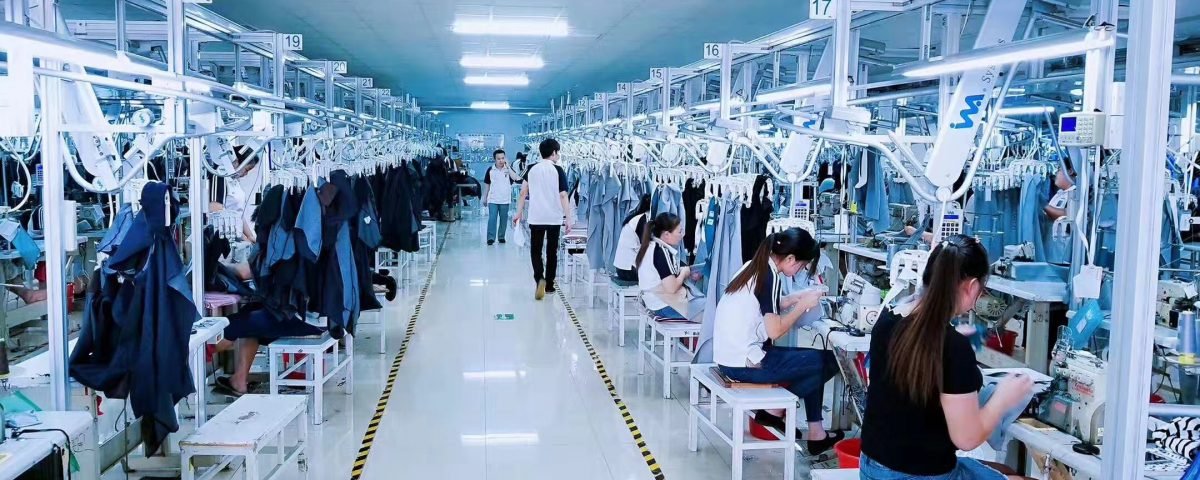
In the garment world, a "quality issue" is rarely a single mistake; it is usually a chain reaction. I’ve spent years on factory floors, and I’ve seen how a small oversight in the cutting room can turn into a thousand unsellable hoodies by the time they reach the packing station.
At Bless Custom Apparel, we believe that understanding why things go wrong is the only way to make them go right. Most brands blame "bad luck," but as a manufacturer, I know it’s usually down to one of four specific variables.
If you’ve ever received a shipment with crooked pockets, pilling fabric, or inconsistent sizing, this guide will help you identify the root cause—and how to prevent it.
Table of Contents
- Quick Answer: The Root of Quality Failure
- The "Triangle of Trouble": Time, Cost, and Skill
- Technical Root Causes: From Yarn to Stitch
- Human Error vs. Machine Calibration
- Comparison: Common Defects and Their Origins
- Decision Tree: Fix the Factory or Fix the Specs?
- FAQs: Real Troubleshooting for Brand Owners
- Eliminate Quality Risks with Bless Clothing
Quick Answer
Quality issues in clothing production are primarily caused by vague technical specifications, substandard raw materials, and unrealistic production timelines. When a factory is rushed or lacks a clear Tech Pack, they skip "relaxation" phases for fabric and "inspection" phases for stitching, leading to defects like shrinkage, seam slippage, and asymmetrical fits.
The "Triangle of Trouble": Time, Cost, and Skill
In my experience, 90% of quality issues stem from pushing one of these three boundaries too far:
- The Time Crunch: Fabric needs time to "rest" after being unrolled. If a factory cuts it immediately to save 24 hours, the finished garment will shrink or twist the moment it is washed.
- The Price Squeeze: If a brand demands a price that is below market value, the factory is forced to use B-grade yarn or lower-tenacity thread that snaps under tension.
- The Skill Gap: High-end casual wear, like the pieces we produce at Bless Clothing, requires specialized machines (like Flatlock or Twin-needle). Using a standard machine for a complex seam is a recipe for failure.
Technical Root Causes: From Yarn to Stitch
1. Fabric Instability
If the fabric wasn't properly "pre-shrunk" or "fixed" during the dyeing process, you get Color Bleeding or Torquing (where the side seams twist toward the stomach).
2. Pattern Inaccuracy
If the digital pattern isn't "graded" correctly for different sizes, a Medium might fit perfectly while the XL has armholes that are too tight. This is a failure of the CAD (Computer-Aided Design) stage.
3. Poor Workmanship
This includes "skipped stitches," "bird-nesting" (tangled thread under the seam), and raw edges that aren't properly overlocked, leading to fraying.
Comparison: Common Defects and Their Origins
| Visible Defect | Root Cause | Prevention Method |
|---|---|---|
| Pilling after 1 wash | Short-staple fibers / Low-grade yarn | Use Combed Cotton or compact yarn. |
| Crooked Logo/Print | Lack of placement "jigs" or templates | Require a digital placement map in the Tech Pack. |
| Broken Seams | Incorrect thread tension or low SPI | Set machines to 10-12 Stitches Per Inch (SPI). |
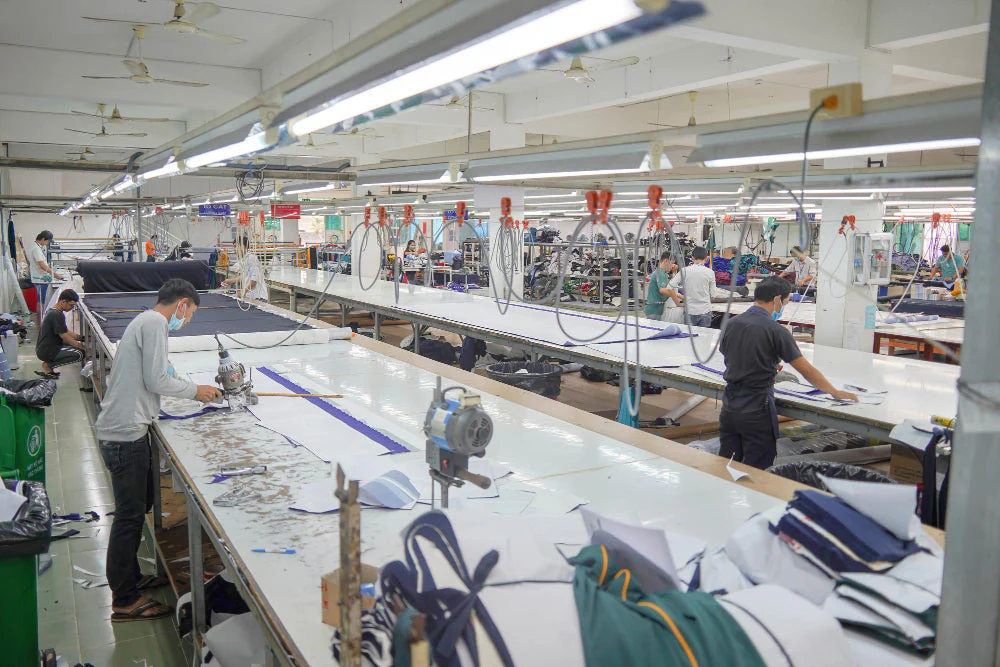
| Size Variance | Manual cutting errors | Switch to Automated/Laser Cutting. |
| Color Shading | Mixing different dye lots in one batch | Strict Dye Lot control and Lab Dip approval. |
Decision Tree: Fix the Factory or Fix the Specs?
If you are facing quality issues, use this logic to decide your next move:
- Is the defect across 100% of the order? Diagnosis:* Your Specs are likely wrong. The factory followed a bad blueprint.
- Action: Revise your Tech Pack before the next run.
- Is the defect only in 10-15% of the order? Diagnosis:* The Process is inconsistent. The factory has poor Quality Control (QC).
- Action: Demand 100% inspection or move to a more professional partner like Bless Custom Apparel.
- Did the issue only appear after washing? Diagnosis:* The Materials are low quality.
- Action: Upgrade your fabric GSM and fiber staple length.
FAQs: Real Troubleshooting for Brand Owners
Q: Why is my white fabric "see-through" even though the GSM is high?
A: GSM measures weight, not density. If the knit is "loose," it will be transparent. You need a higher Gauge knit for better opacity.
Q: The factory says the "shading" is within tolerance. Is that true?
A: Every dye lot has a slight variance, but it should be invisible to the naked eye. We use Spectrophotometers to ensure the color stays within a "Delta E" of 1.0. If you can see it, it’s a defect.
Q: Can I prevent pilling entirely?
A: 100% cotton will always have some micro-fuzz, but you can minimize it by choosing "Singed" or "Bio-washed" fabrics which burn off the loose surface fibers.
Eliminate Quality Risks with Bless Clothing
Quality issues are expensive—not just in lost inventory, but in lost customer trust. At Bless Clothing, we eliminate the "root causes" by prioritizing technical accuracy over-rushed timelines. We don't just find defects; we engineer them out of the process before the first stitch is even made.
Tired of dealing with manufacturing "surprises"?
Partner with Bless Clothing today. Let’s build a collection that reflects the high standards of your brand, from the first yarn to the final button.