
"High quality" is the most overused phrase in the fashion industry. Every factory claims it, but very few can actually define it with technical data.
In my decade leading production at Bless Custom Apparel, I’ve learned that quality isn't a feeling—it’s a set of measurable standards. It’s the difference between a hoodie that loses its shape after three washes and one that becomes a staple in a customer’s wardrobe for years.
If you are building a brand that prides itself on excellence, you need to know exactly what to look for in a finished garment. Here is the technical breakdown of what defines true high-quality manufacturing.
Table of Contents
- Quick Answer: The 4 Pillars of Quality
- Fiber Integrity: The Foundation of Longevity
- Construction Excellence: Seams, Stitches, and SPI
- Comparison: Luxury vs. Fast Fashion Construction
- Decision Guide: When to Invest in "Over-Engineering"
- Checklist: The 60-Second Quality Test
- FAQs: Defining Quality for Your Brand
- Elevate Your Brand with Bless Clothing
Quick Answer
High-quality clothing manufacturing is defined by Fiber Density (long-staple cotton), Stitch Precision (10–12 Stitches Per Inch), Structural Reinforcement (twill taping and bar-tacks), and Chemical Safety (OEKO-TEX compliance). It’s not just about how the garment looks on a hanger; it’s about how the seams hold under tension and how the fabric recovers after a high-temperature wash.
1. Fiber Integrity: The Foundation of Longevity
You can’t build a skyscraper on sand, and you can’t build a premium brand on low-grade yarn.
- Combed vs. Carded Cotton: High-quality casual wear uses Combed Cotton. This process removes short, prickly fibers and impurities, resulting in a smoother, stronger yarn that won't pill.
- Long-Staple Fibers: The longer the cotton fiber, the more durable the garment. At Bless Clothing, we prioritize long-staple fibers to ensure that soft "hand-feel" lasts for years.
- Fabric Recovery: High-quality knits (like French Terry or Jersey) must have "memory." If you stretch the neck ribbing, it should snap back to its original shape immediately. This is achieved through high-quality Elastane blends.
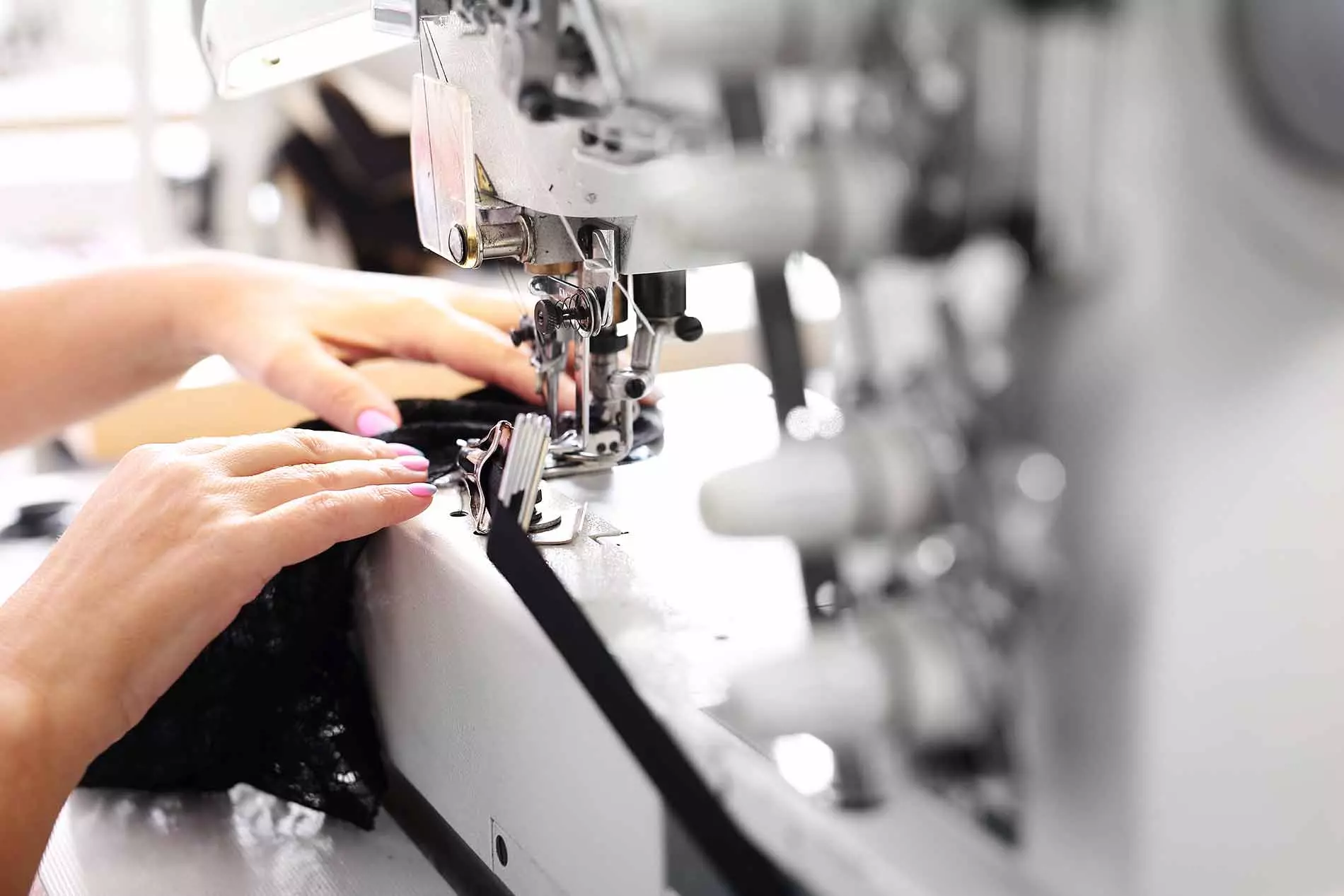
2. Construction Excellence: Seams, Stitches, and SPI
If you want to see the quality of a factory, look at the thread, not the fabric.
- SPI (Stitches Per Inch): Budget garments often use 6–8 SPI to save time and thread. High-quality manufacturing requires 10–12 SPI. This creates a denser, stronger seam that won't "grin" or pull apart.
- Reinforced Stress Points: Look for Bar-tacks at the corners of pockets and the base of zippers. These tiny, dense zigzag stitches prevent the garment from ripping at high-tension areas.
- Twill Taping: A premium hoodie or tee will have a fabric tape covering the neck seam. This isn't just for comfort; it prevents the shoulder seams from stretching out over time.
3. The "Hidden" Details: Interior Finishing
The true mark of a master manufacturer like Bless Custom Apparel is how the garment looks on the inside.
- Clean Finishing: No raw edges should be visible. High-end pieces use Flatlock or French Seams to enclose the raw fabric, preventing fraying and skin irritation.
- Consistent Tension: The seams should lie perfectly flat. If a seam is "puckered" or wavy, the machine tension was set incorrectly, a sign of rushed production.
- Hardware Quality: High-quality manufacturing utilizes YKK Zippers and brass eyelets rather than cheap plastic alternatives.
4. Comparison: Luxury vs. Fast Fashion Construction
| Feature | Fast Fashion (Low Quality) | Bless Clothing (High Quality) |
|---|---|---|
| Yarn Type | Open-end / Carded (Rough) | Combed / Compact (Smooth) |
| SPI | 6–8 (Weak seams) | 10–12 (Durable seams) |
| Hemming | Single-needle (Prone to unraveling) | Twin-needle cover stitch (Secure) |
| Shrinkage | 5%–10% (Unpredictable) | Less than 3% (Pre-shrunk) |
| Thread | Basic Polyester | High-tenacity Core-spun thread |
5. Decision Guide: When to Invest in "Over-Engineering"
Not every garment needs the most expensive finish. Here is how to choose:
- Scenario: Performance Activewear. Invest in Flatlock Seams. You need maximum stretch and zero friction against the skin.
- Scenario: Luxury Loungewear. Invest in Heavyweight GSM & Mercerized Finishes. The weight and "sheen" of the fabric are your main selling points.
- Scenario: Promotional Giveaways. Use Standard Overlock Seams. Focus on print quality rather than complex interior construction to keep costs down.
6. Checklist: The 60-Second Quality Test
Next time you hold a sample, do this:
- [ ] The Tug Test: Pull the seams firmly. Do you see the threads? If so, the SPI is too low.
- [ ] The Light Test: Hold the fabric up to the light. Is the knit even, or are there "thin spots"?
- [ ] The Symmetry Test: Fold the garment in half. Do the sleeves and hems align perfectly?
- [ ] The Hardware Slide: Zip and unzip three times. Does it snag?
7. FAQs: Defining Quality for Your Brand
Q: Does "Heavyweight" always mean "High Quality"?
A: Not necessarily. A heavy fabric can still be made of low-quality, short-staple fibers that pill. Quality is defined by the Yarn Grade, not just the weight.
Q: Why is 100% Cotton sometimes less durable than a blend?
A: Adding a small percentage of high-quality polyester or nylon can actually increase tensile strength and color retention, which some luxury brands prefer for "everyday" durability.
Q: How does Bless Clothing define its "Standard"?
A: Our standard is Retail-Ready Luxury. This means every piece is constructed to withstand 50+ industrial wash cycles without losing structural integrity.
Elevate Your Brand with Bless Clothing
Quality is the only thing that creates repeat customers. When your audience feels the weight, the softness, and the strength of a garment from Bless Clothing, they aren't just buying a shirt—they are buying into your brand's promise.
Ready to set a higher standard for your collection?
Contact Bless Clothing today. Let’s talk about the technical specs that will make your next collection the best one yet.