
I’ve seen thousands of designs come across my desk at Bless Custom Apparel. Most founders focus on the logo or the fit, but here’s a hard truth I’ve learned from a decade on the factory floor: The fabric is the soul of the garment. You can have the most beautiful pattern in the world, but if you use low-grade material, your brand will fail at the first wash. High-quality fabric doesn't just "feel better"—it dictates how the garment hangs, how it ages, and whether your customer ever buys from you again.
In this guide, I’ll break down exactly how fabric choices impact your final product and why "premium" is a technical specification, not just a marketing buzzword.
Table of Contents
- Quick Answer: The Fabric-First Rule
- The "Hand-Feel" vs. Performance Paradox
- Dimensional Stability: Avoiding the "Twisted Seam"
- Dye Affinity and Color Fastness
- Comparison: Cheap vs. Premium Fabric Outcomes
- Decision Matrix: Choosing Fabric for Your Product Line
- FAQs: Real Fabric Questions from Brand Owners
- Source Premium Fabrics with Bless Clothing
Quick Answer
Fabric quality impacts the final product through Structural Integrity (retaining shape), Durability (resistance to pilling/tearing), and User Experience (breathability and skin comfort). High-quality fabrics use longer fiber staples, which create smoother yarns. If you cut costs on fabric, you are essentially shortening the lifespan of your brand’s reputation.
The "Hand-Feel" vs. Performance Paradox
When a client walks into our showroom and touches a sample, they often say, "This feels soft." But as a manufacturer, I look deeper.
- Surface Softness (Hand-Feel): Many cheap fabrics use chemical softeners to feel good on the rack. However, after one wash, those chemicals disappear, leaving a rough, scratchy garment.
- Intrinsic Quality: True quality comes from the yarn count and the knitting density. At Bless Clothing, we prioritize fabrics that are soft because of high-grade Combed Cotton, not temporary chemical coatings.
Dimensional Stability: Avoiding the "Twisted Seam"
Have you ever bought a shirt where the side seams start twisting toward the front after washing? That is a fabric quality failure called Torque.
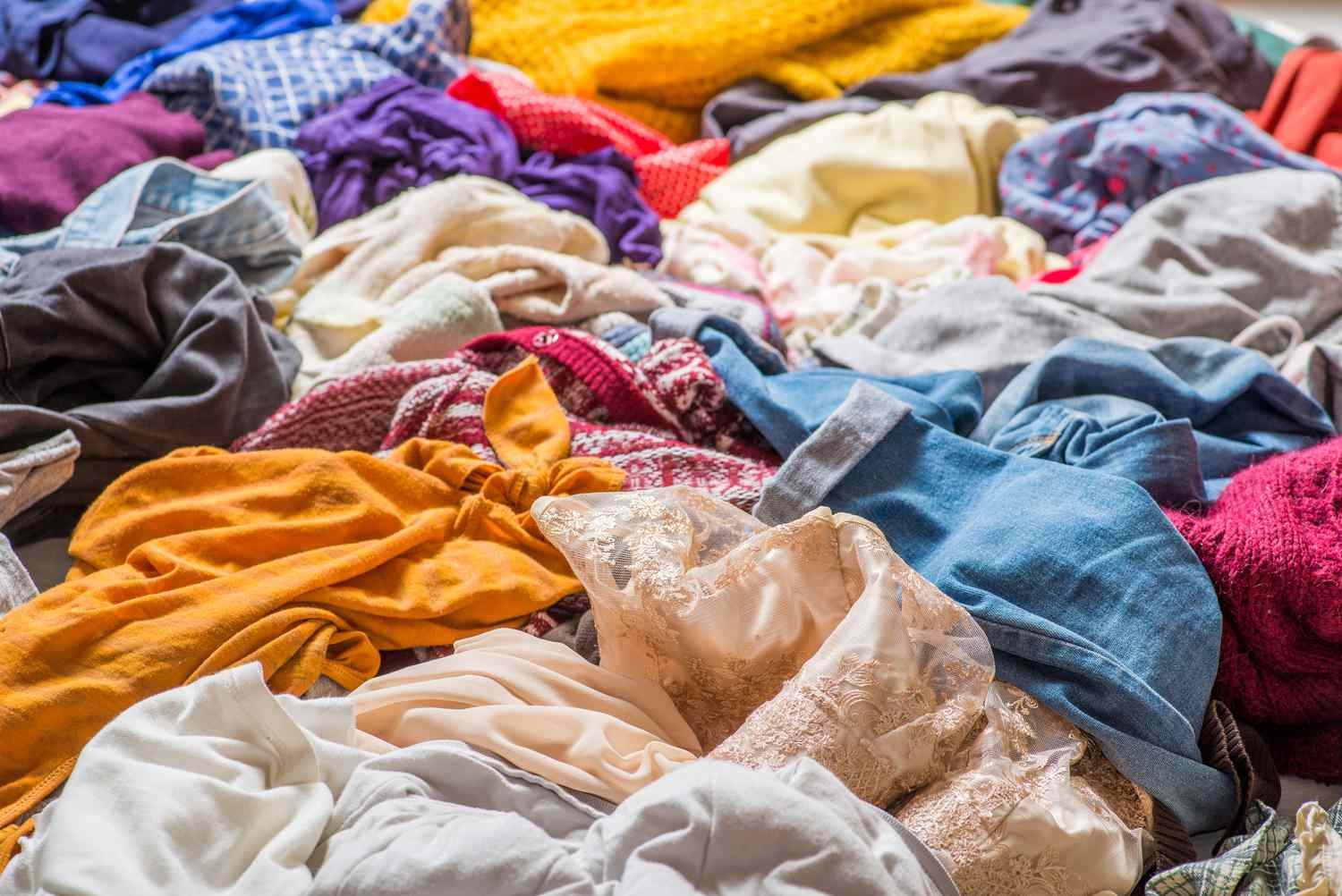
- Why it happens: Low-quality knits are often tensioned too tightly during the manufacturing process. When they hit water, the fibers "relax" into a twisted shape.
- The Solution: Premium fabrics undergo a "compaction" or "pre-shrinking" process. We test all materials at Bless Custom Apparel to ensure a shrinkage rate of less than 3%, keeping your fit consistent for the end-user.
Dye Affinity and Color Fastness
The impact of fabric quality is most visible after six months of wear.
- Vibrancy: High-quality fibers absorb dye deeper into the core. This is why a premium black hoodie stays black, while a cheap one turns "ashy" or charcoal after three washes.
- Color Bleeding: Poorly dyed fabrics bleed onto other clothes. We use ISO-standardized color fastness tests to ensure your whites stay white and your reds don't run.
Comparison: Cheap vs. Premium Fabric Outcomes
| Feature | Low-Quality Fabric (Open-End Yarn) | Premium Fabric (Combed/Compact Yarn) |
|---|---|---|
| Pilling | High (Fuzz balls appear quickly) | Low (Resistant to friction) |
| Shape Retention | Sags at the neck and elbows | Snaps back to original shape |
| Breathability | Often feels "plastic" or sweaty | Natural moisture-wicking properties |
| Longevity | 5–10 Wash Cycles | 50+ Wash Cycles |
| Brand Perception | "Disposable" or Fast Fashion | Luxury or "Investment" Piece |
Decision Matrix: Choosing Fabric for Your Product Line
I always help our clients choose based on their "Hero Product" intent:
- Scenario A: High-End Loungewear. Choose Heavyweight French Terry (350+ GSM). The weight provides the "drape" that customers associate with luxury.
- Scenario B: Summer Basics. Choose Supima or Organic Cotton. It’s lightweight but incredibly strong due to the extra-long staple length.
- Scenario C: Active Casual. Choose Cotton-Polyester-Spandex Blends. The synthetic mix provides the "stretch recovery" needed for movement.
FAQs: Real Fabric Questions from Brand Owners
Q: Why is 100% cotton sometimes not the "best" choice?
A: While 100% cotton is breathable, it lacks "memory." Adding 5% Elastane (Spandex) significantly improves how a garment fits the body and prevents "bagging" at the knees or elbows.
Q: How can I tell if a fabric will pill?
A: Rub two pieces of the fabric together vigorously for 30 seconds. If you see tiny fibers starting to tangle or "fuzz," it’s a low-staple yarn that will pill within weeks of wear.
Q: Does Bless Clothing provide fabric certifications?
A: Yes. We source GOTS (Global Organic Textile Standard) and OEKO-TEX certified fabrics upon request to ensure environmental and chemical safety.
Source Premium Fabrics with Bless Clothing
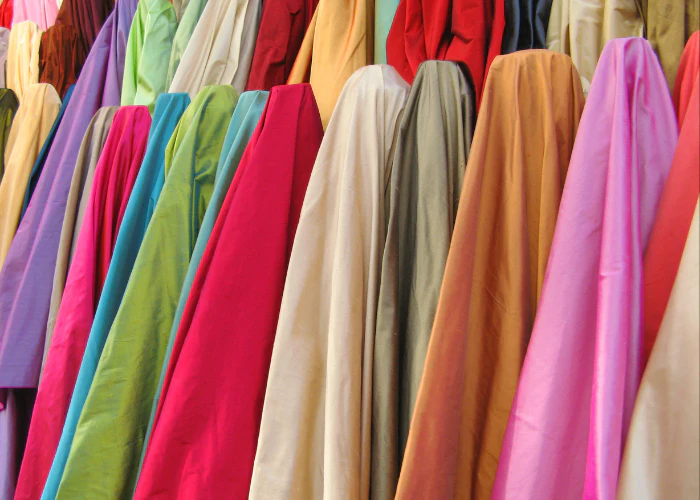
Your product is only as good as the roll of fabric it was cut from. At Bless Clothing, we don't just "buy fabric"—we engineer it. We work with the best mills to ensure that when your customers touch your clothes, they feel the quality you promised.
Ready to feel the difference?
Contact Bless Clothing today to request a fabric swatch book or to discuss which material will make your next collection a best-seller.