
Table of Contents
- Quick Answer
- What Defines a Luxury Brand?
- Where Supreme Actually Fits
- My Perspective From Apparel Industry
- Key Factors Behind Supreme’s Positioning
- Supreme vs Luxury vs Streetwear
- Pros and Cons of Supreme’s Model
- Who Should Buy Supreme
- Is Supreme Worth Luxury Prices?
- FAQ
- Final Verdict
Quick Answer
No — Supreme is not a traditional luxury brand.
However, it operates in a “premium streetwear” space with luxury-like pricing and perception.
👉 From my experience, Supreme is better described as:
a hype-driven streetwear brand with luxury-level influence.
What Defines a Luxury Brand?
Before answering the question, we need to define luxury.
A true luxury brand usually has:
- Exceptional craftsmanship
- High-end materials
- Heritage and legacy
- Limited accessibility
- Strong brand prestige
Examples include:
- High fashion houses
- Designer heritage brands
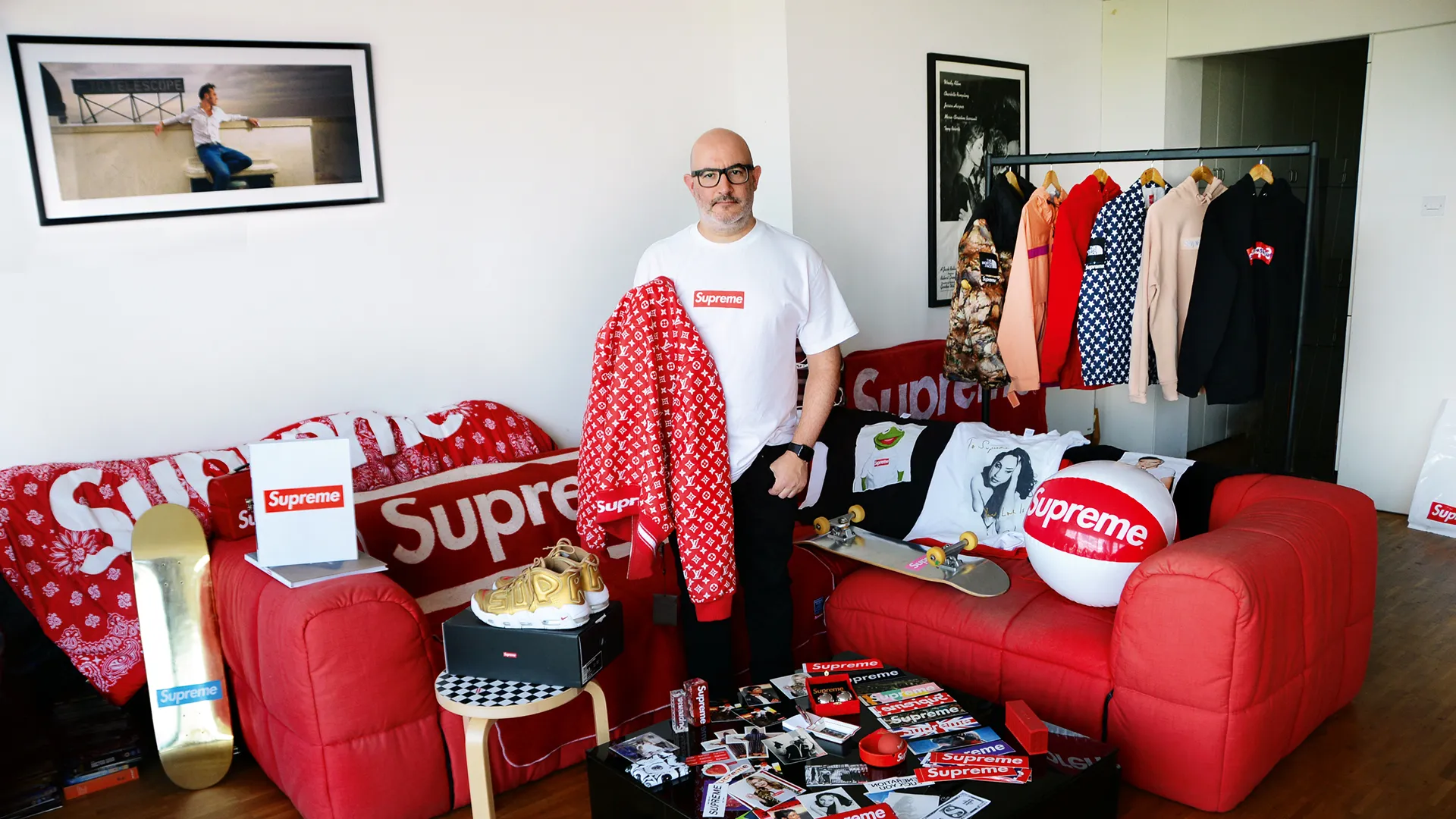
👉 Luxury is about craft + history + exclusivity, not just price.
Where Supreme Actually Fits
Supreme doesn’t fully match those criteria.
What Supreme does have:
- Strong brand identity
- Limited product drops
- High resale value
- Cultural influence
What it lacks compared to luxury:
- Traditional craftsmanship
- Deep heritage (compared to luxury houses)
- Consistent premium materials across all products
👉 So it sits between:
Streetwear ↔ Premium ↔ Luxury Influence
My Perspective From Apparel Industry
From a manufacturing standpoint, I look at three things:
- Fabric quality
- Construction level
- Production cost
Supreme products:
- Are good quality
- But not at true luxury level
- Often priced higher due to branding
👉 This means:
You’re paying more for brand value than production cost.
Key Factors Behind Supreme’s Positioning
1. Drop Culture
Supreme pioneered:
- Weekly product drops
- Limited quantities
- Instant sell-outs
👉 This creates artificial scarcity.
2. Brand Power
The logo alone carries value.
- Recognizable worldwide
- Strong association with street culture
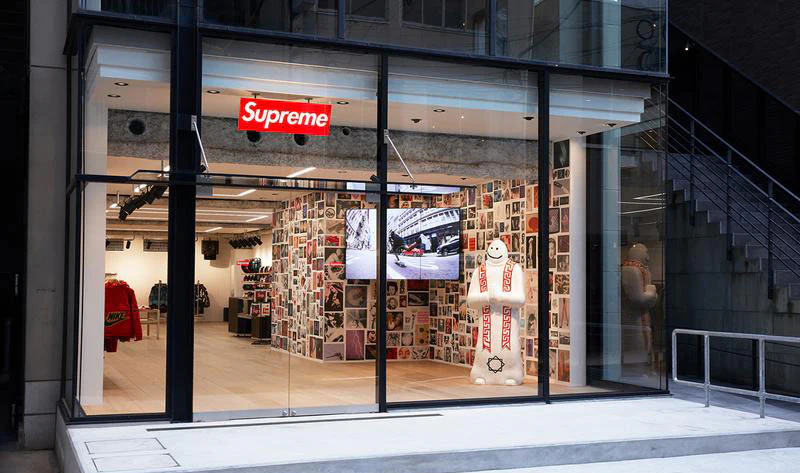
👉 This allows higher pricing.
3. Collaborations
Supreme collaborates with:
- Designers
- Artists
- Major brands
👉 These collaborations increase perceived luxury.
4. Resale Market Influence
- Many items resell above retail
- Creates “investment mindset”
👉 This pushes the brand closer to luxury perception.
Supreme vs Luxury vs Streetwear
| Category | Core Strength | Weakness |
|---|---|---|
| Supreme | Hype + branding | Inconsistent luxury quality |
| Luxury brands | Craftsmanship | High price |
| Streetwear | Accessibility | Lower prestige |
| OEM brands | Custom control | No built-in brand |
👉 If you're building your own brand, working with a manufacturer like blessclothing allows you to:
- Control quality directly
- Define your own pricing strategy
- Build brand value from scratch
Pros and Cons of Supreme’s Model
✅ Pros
- Extremely strong brand recognition
- High resale value
- Cultural influence
- Limited supply keeps demand high
❌ Cons
- Not true luxury craftsmanship
- Prices often exceed product value
- Highly dependent on hype
Who Should Buy Supreme
Best for:
- Streetwear enthusiasts
- Collectors
- People who value brand recognition
Not ideal for:
- Buyers focused on craftsmanship
- Budget-conscious consumers
- People seeking long-term durability value
👉 Supreme is more about identity and culture than pure product quality.
Is Supreme Worth Luxury Prices?
It depends on what you value.
Worth it if you want:
- Brand recognition
- Cultural relevance
- Limited-edition pieces
Not worth it if you want:
- Best fabric quality
- True craftsmanship
- Cost-performance ratio
👉 From my experience:
Supreme is worth it for brand value — not for manufacturing value.
FAQ
1. Is Supreme considered luxury?
No — it’s considered premium streetwear with luxury influence.
2. Why is Supreme so expensive?
Because of:
- Limited supply
- Brand hype
- Strong resale demand
3. Is Supreme better than luxury brands?
Not in terms of craftsmanship — but stronger in street culture influence.
4. Does Supreme hold value?
Yes — especially in the resale market.
Final Verdict
So, is Supreme a luxury brand?
👉 No — but it behaves like one in pricing and perception.
From my experience, Supreme represents a different model:
- Not built on craftsmanship
- Built on culture, scarcity, and branding
👉 That’s why it can charge luxury-level prices without being a true luxury brand.
Internal Reference
If you’re inspired by Supreme’s pricing strategy and want to build your own brand with strong identity and controlled production:
👉 You can explore custom manufacturing and private label solutions with blessclothing