
Table of Contents
- Quick Answer
- Who Actually Owns Supreme
- Who Owns Gucci
- Why People Confuse Supreme and Gucci
- My Industry Insight on Brand Ownership
- Supreme vs Gucci: Key Differences
- Ownership vs Collaboration vs Perception
- Pros and Cons of This Confusion
- What This Means for Buyers and Brands
- FAQ
- Final Verdict
Quick Answer
No — Supreme is NOT owned by Gucci.
👉 They are completely separate brands under different parent companies.
- Supreme → Owned by VF Corporation
- Gucci → Owned by Kering Group
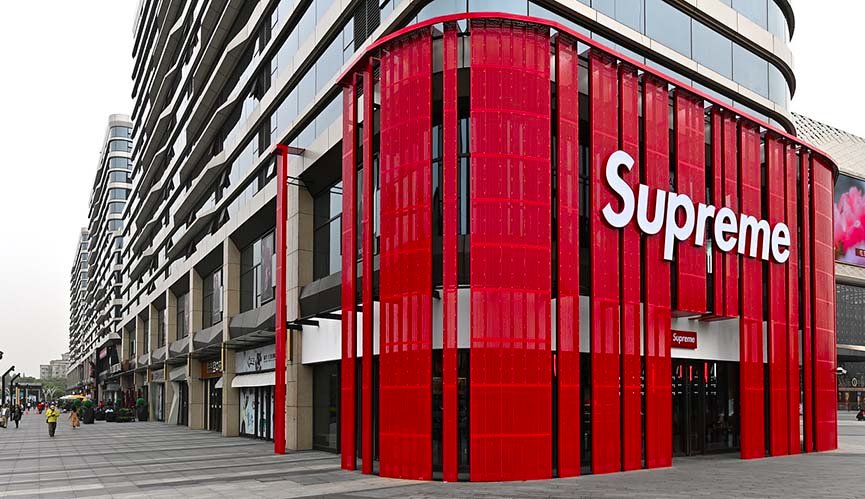
From my experience, this confusion usually comes from branding overlap and market perception, not actual ownership.
Who Actually Owns Supreme
Supreme is owned by:
- VF Corporation (since 2020)
About VF Corporation:
- A global apparel group
- Owns brands like Vans, The North Face, Timberland
👉 Supreme became part of a large corporate portfolio, but still operates independently in branding.
Who Owns Gucci
Gucci is owned by:
- Kering Group
About Kering:
- A luxury conglomerate
- Focused on high-end fashion brands
- Includes brands like Saint Laurent and Balenciaga
👉 Gucci is a true luxury fashion house, very different from Supreme’s positioning.
Why People Confuse Supreme and Gucci
From what I’ve seen, there are three main reasons:
1. Similar Price Perception
- Both can be expensive
- Both have strong resale markets
👉 People assume high price = same ownership (which is incorrect).
2. Cultural Overlap
- Both are influential in fashion
- Both appeal to younger audiences
👉 Especially in streetwear-luxury crossover culture.
3. Collaboration Culture
Even without direct collaboration, the fashion world often blends:
- Streetwear
- Luxury
- Pop culture
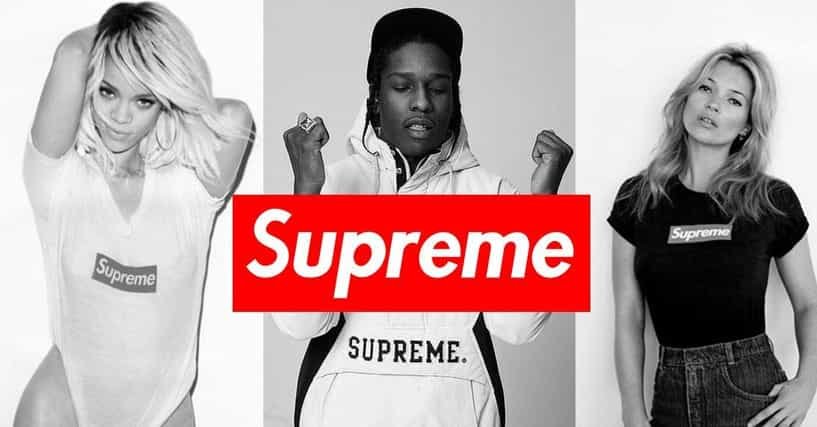
👉 This creates blurred boundaries in consumers’ minds.
My Industry Insight on Brand Ownership
From an apparel manufacturing perspective, ownership is very clear:
Different groups = different strategies
| Factor | Supreme (VF Corp) | Gucci (Kering) |
|---|---|---|
| Business Model | Streetwear | Luxury fashion |
| Production | Scalable | Craft-focused |
| Brand Strategy | Hype + culture | Heritage + prestige |
👉 These differences show they are structurally unrelated.
Supreme vs Gucci: Key Differences
| Category | Supreme | Gucci |
|---|---|---|
| Type | Streetwear | Luxury |
| Ownership | VF Corporation | Kering |
| Core Value | Culture + hype | Craftsmanship + heritage |
| Pricing Logic | Demand-driven | Brand prestige |
| Product Focus | Casualwear | High fashion |
👉 From my experience:
They serve different purposes for different customers.
Ownership vs Collaboration vs Perception
This is where most confusion happens.
Let’s break it down:
- Ownership → One company controls another
- Collaboration → Brands work together on products
- Perception → Consumers associate brands mentally
👉 Supreme and Gucci only share:
perception overlap — not ownership or collaboration (directly).
Pros and Cons of This Confusion
✅ Pros
- Expands brand visibility
- Elevates streetwear perception
- Bridges luxury and casual markets
❌ Cons
- Misleads consumers
- Creates unrealistic expectations
- Blurs brand identity
What This Means for Buyers and Brands
For consumers:
- Understand what you’re paying for
- Don’t assume luxury ownership = better quality
For brand builders:
This is a key lesson:
👉 Brand perception can sometimes matter more than ownership.
If you're building your own brand, working with a manufacturer like blessclothing allows you to:
- Define your own positioning
- Control product quality
- Build a brand independent of big groups
FAQ
1. Is Supreme owned by Gucci?
No — Supreme is owned by VF Corporation.
2. Does Gucci have any connection to Supreme?
No direct ownership or official collaboration.
3. Why do people think they are connected?
Because of:
- Similar pricing perception
- Cultural overlap
- Fashion industry blending
4. Is Supreme considered luxury like Gucci?
No — Supreme is premium streetwear, not true luxury.
Final Verdict
So, is Supreme owned by Gucci?
👉 No — they are completely separate brands with different owners and strategies.
From my experience, the confusion comes from:
- Market overlap
- Price perception
- Cultural influence
👉 But in reality:
Supreme = streetwear business model
Gucci = luxury fashion model
Internal Reference
If you’re inspired by how brands build strong positioning without relying on ownership from big luxury groups:
👉 You can explore custom manufacturing and private label solutions with blessclothing